TIDA Research Network
A growing research network
Knowledge grows
when perspectives meet.
TIDA Research Network connects researchers, practitioners, and people with grounded contextual knowledge across Europe, the MENA region, and beyond. It grows through individual contributions and defined collaborations.
Join the TIDA Research Network05 — TIDA Research Network
Founding researchers
People behind the inquiry.
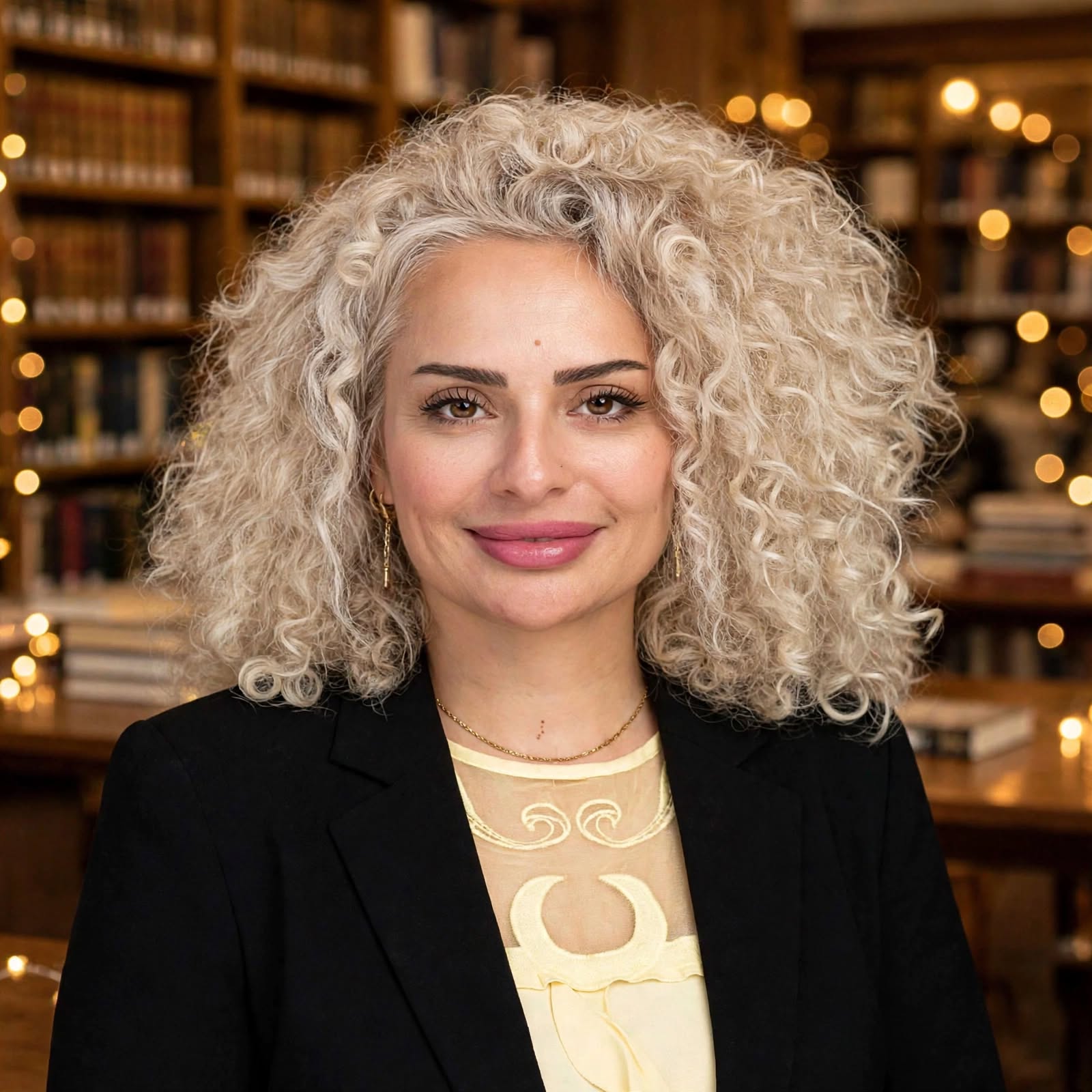
Founder of TIDA
Asseel Alousi
Sociologist and advisor in governance and civil society
France
- Political sociology
- Governance & society
- Civil society
- Women’s political participation
- Public dialogue
Read biography
Asseel Alousi is a sociologist and advisor in governance and civil society, based in Strasbourg, France. Her interests centre on the relationship between society and the state, how institutions and relations of power take shape, and how people participate in public life. Her work gives particular attention to women’s political participation and to dialogue in societies affected by conflict and change.
She brings more than twenty years of experience with United Nations agencies, international organizations, and civil society in Syria, Türkiye, the wider Middle East and North Africa, and Europe. Her work spans humanitarian and development programmes, strategic planning, and organizational capacity building. Her training experience includes designing training programmes and materials and facilitating workshops on governance, civil society, women’s political participation, and dialogue. She connects field experience and social analysis with the design of programmes and institutional strategies, particularly in contexts of conflict and displacement.
She founded TIDA out of a conviction that understanding society should guide research, dialogue, and action. Through the institute, she works to bring social sciences closer to people’s everyday questions and to the decisions that shape their lives, while building exchanges between Europe, the Middle East and North Africa, and other regions.
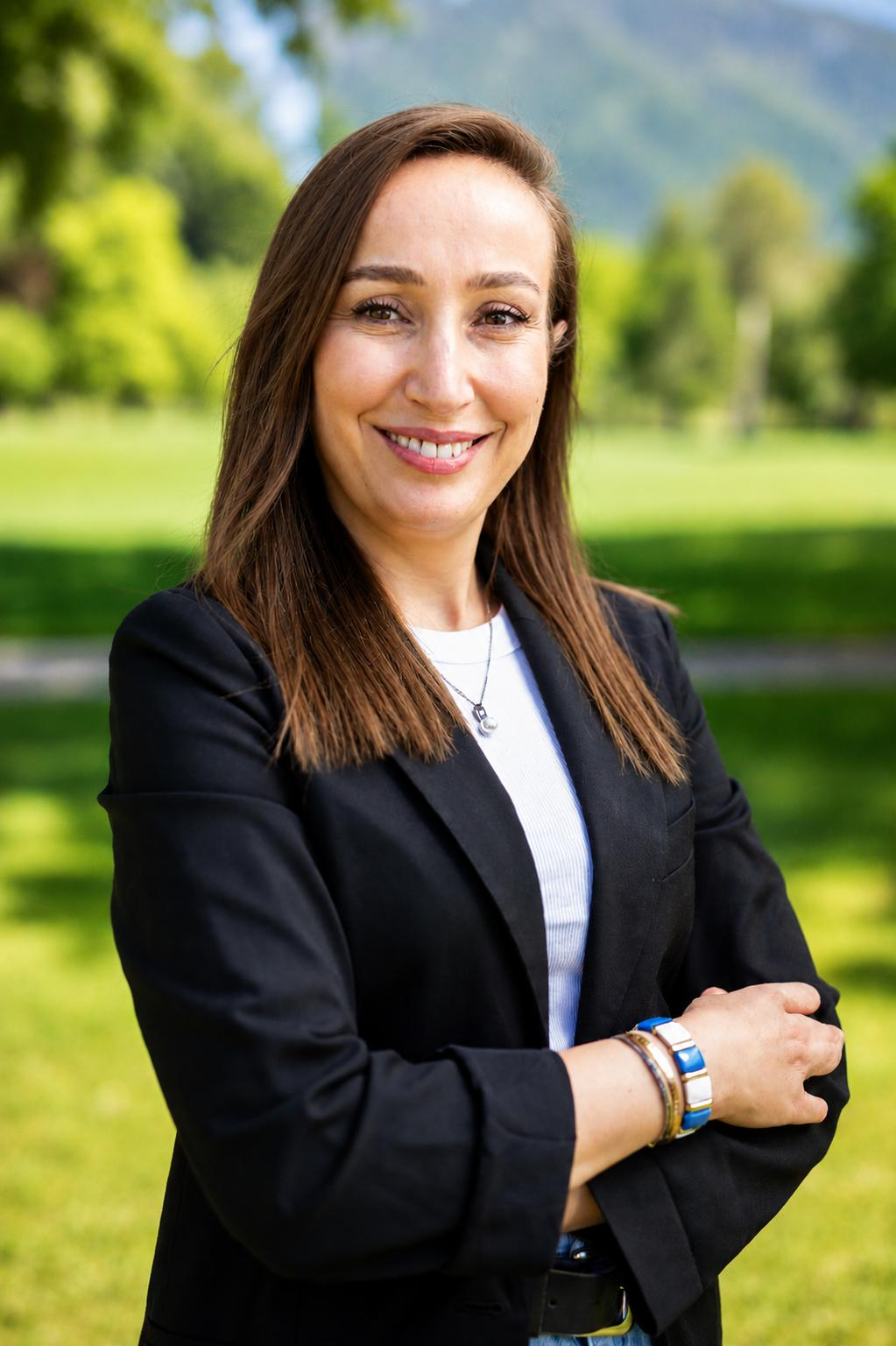
Founding Researcher
Weam Ghabash
Social scientist and human rights defender
Netherlands
- Gender & women’s rights
- Refugees
- Civil society
Read biography
Weam has around ten years of experience with feminist organizations and networks across the Middle East and North Africa, including grassroots and refugee-led initiatives. She has worked with Basamat for Development, Women Now for Development, and local initiatives advancing women’s rights in Lebanon and the wider region, particularly in refugee and post-conflict settings.
Her expertise includes advocacy, civil society capacity building, and monitoring and evaluation. Over the past five years, she has focused on developing training manuals and workshop content for emerging local organizations, covering political empowerment, digital security, advocacy, project management, negotiation, and communication.
She is currently pursuing a research master’s in social sciences at the University of Amsterdam, with research interests in women’s rights, refugees, and civil society.
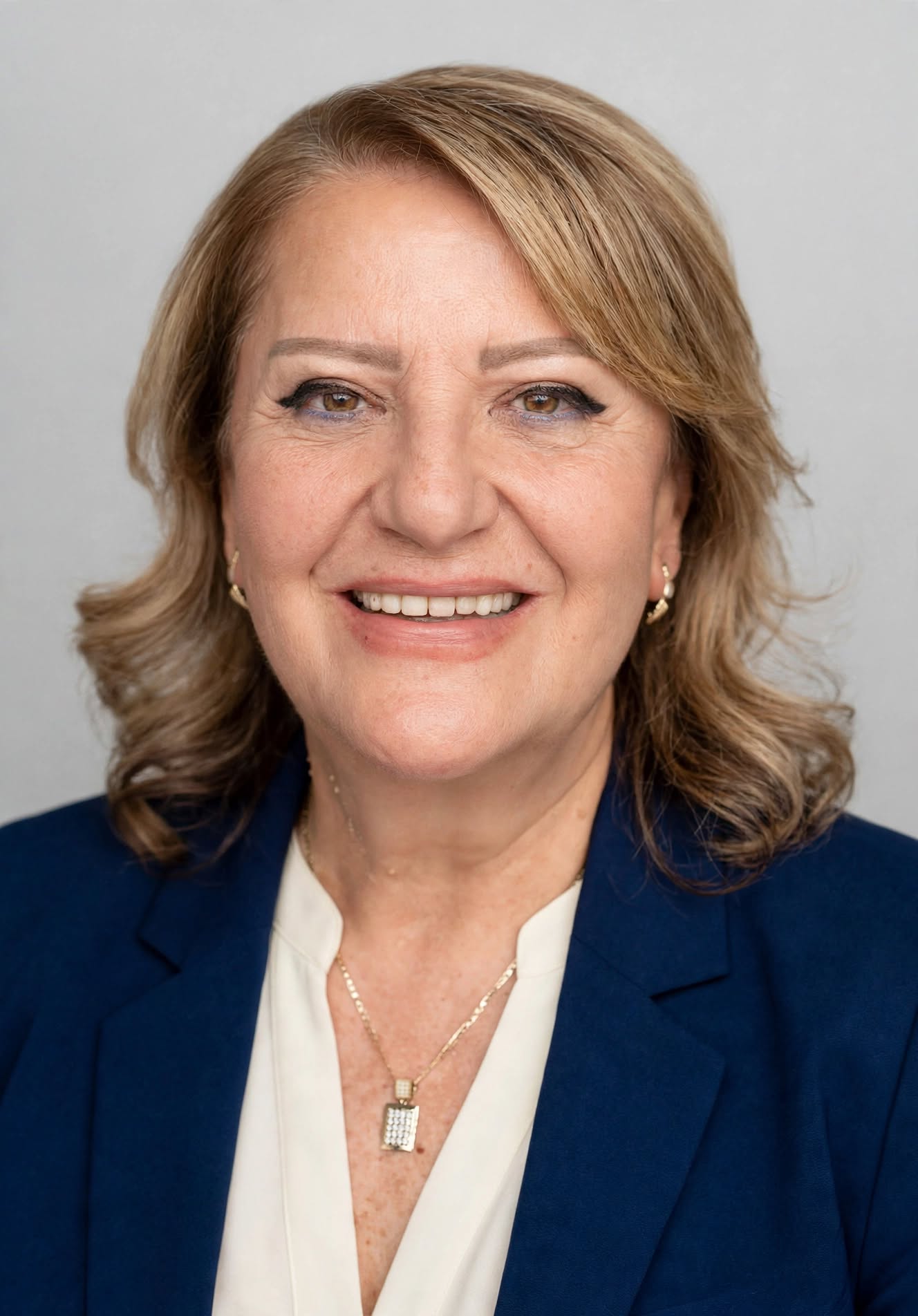
Founding Researcher
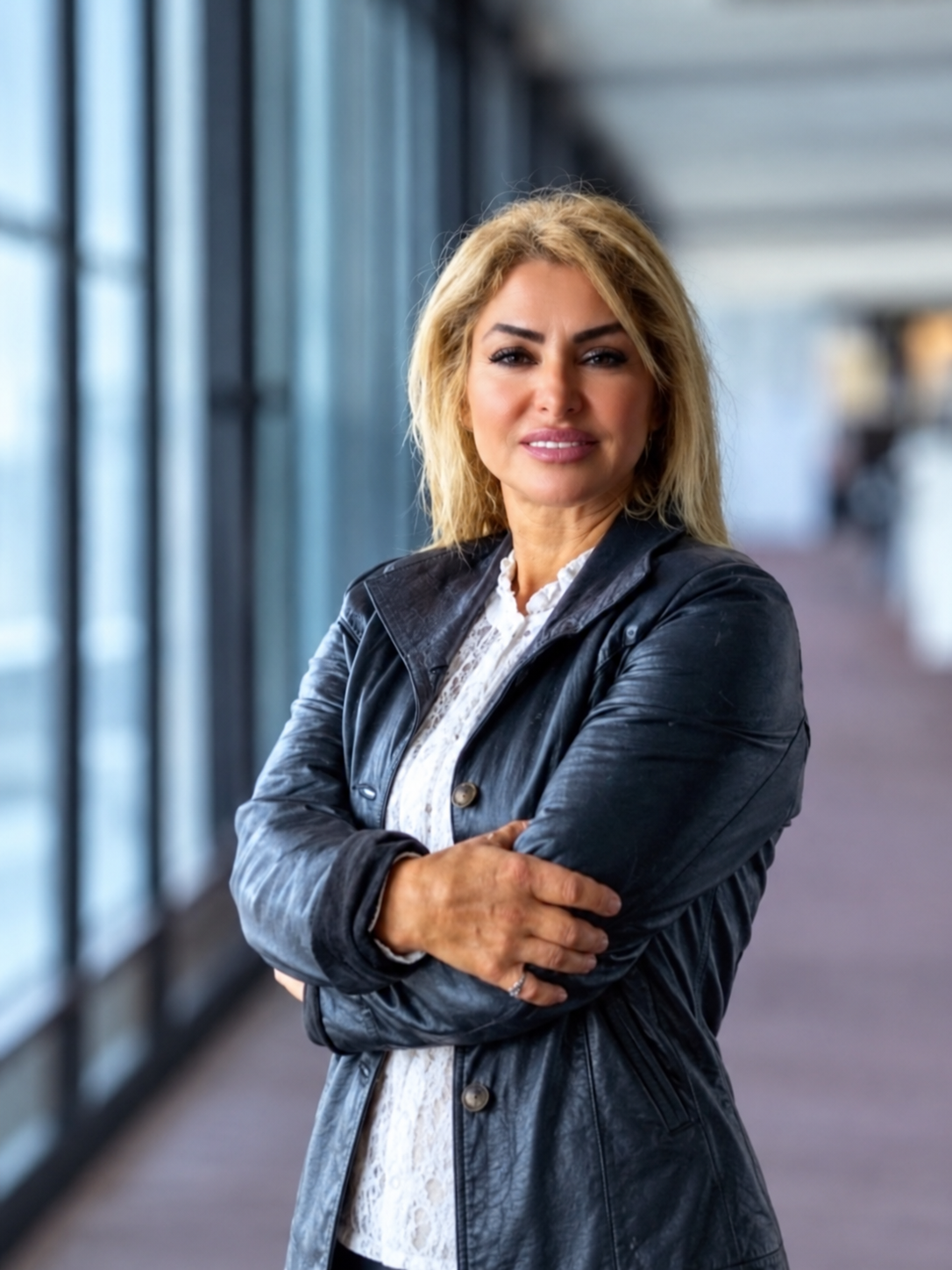
Prof. Suha Nassar
University professor and senior environmental expert
Syria
- Environmental planning
- Environmental impact assessment
- Sustainable development
- Environmental policy
Read biography
Suha Nassar is a university professor and senior environmental expert whose work spans environmental planning, environmental impact assessment, sustainable development, and environmental policy. Her experience combines teaching environmental subjects with environmental management in public institutions and participation in national and international environmental initiatives.
Her career includes engineering work at the University of Damascus and the Ministry of Local Administration. She headed the Environmental Studies Department from 2000 to 2003 and directed the Environmental Impact Assessment Directorate from 2003 to 2006, before working as a senior environmental expert from 2007.
She holds a PhD in environmental engineering (2011), a master’s degree in environmental engineering (1995), and a bachelor’s degree in civil engineering (1984). She has produced studies, research papers, and publications on environmental issues and participated in local, regional, and international conferences.
Founding Researcher
Lana El Dweiri
International legal advisor and researcher in arbitration and governance
France
- International arbitration
- Rule of law & governance
- Human rights
- Social inclusion
Read biography
Lana El Dweiri is an international legal advisor and researcher based in France, with more than fifteen years of experience in business law, arbitration, and human rights across the Middle East and Europe. Her work combines legal research, dispute resolution, governance, and civil society engagement.
Her professional experience includes legal practice and consulting in Syria and Lebanon, as well as legal research and advisory work in France. She has worked on international commercial disputes, cross-border legal matters, and contracts. She is currently pursuing a PhD in international commercial arbitration at Le Havre Normandy University, with interests in dispute resolution and governance within international legal systems.
She is the founder and president of Association Jeunes Isolés in France, which supports young people’s social inclusion through language learning, social and psychological support, and access to cultural, sporting, and professional activities. This engagement gives particular attention to intercultural dialogue, participation in public life, and combating discrimination.
Founding Researcher
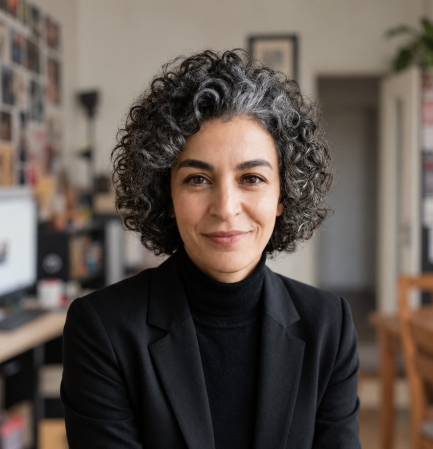
Taghreed Al-Issa
Senior social worker and community development specialist
Syria
- Social protection & case management
- Community development
- Psychosocial support
- Women’s empowerment & child protection
- Disability inclusion & livelihoods
Read biography
Taghreed Al-Issa is a senior social worker and community development specialist with more than twenty years of experience in social protection, case management, community development, and humanitarian assistance. Throughout her career with UNRWA, she has led and supported programmes in psychosocial support, women’s empowerment, child protection, disability inclusion, livelihoods, and microfinance.
She holds a master’s degree in sociology from the University of Damascus. Her work is guided by a commitment to human dignity, resilience, and sustainable community development through evidence-based, people-centred interventions.
Founding Researcher
Joullanar Darwish
Specialist in gender, protection and humanitarian response
France
- Gender & gender-based violence
- Protection & humanitarian response
- Refugee integration & qualitative research
- Women’s organisations & transitional justice
- Capacity strengthening & safeguarding
Read biography
Joullanar Darwish is a specialist in gender, protection, gender-based violence prevention and response, and protection from sexual exploitation and abuse, with more than twenty years of experience in humanitarian, displacement and conflict settings. Her work spans Syria, Turkey, the Ukraine response, Eastern Europe and Albania, combining programme design, technical advice, capacity strengthening and inter-agency coordination.
Her research and assessment experience includes qualitative research on Syrian refugee integration in Turkey with PODEM, gender analysis and protection assessments. At VOICE, she held regional leadership roles in humanitarian response and contributed to research studies and policy papers supporting advocacy with humanitarian donors. She previously managed women’s protection and empowerment programming with the International Rescue Committee and co-founded Point for Capacity Building and Consultancy.
She holds an MSc in International Affairs and Development, specialising in Peace Studies, from Paris Dauphine University – PSL. Her thesis examines the involvement of women’s NGOs and feminists in transitional justice in Syria. She serves as president of the board of Women Now for Development and as a gender advisor to the Syrian Feminist Lobby, supporting women-led civil society organisations.

Founding Researcher
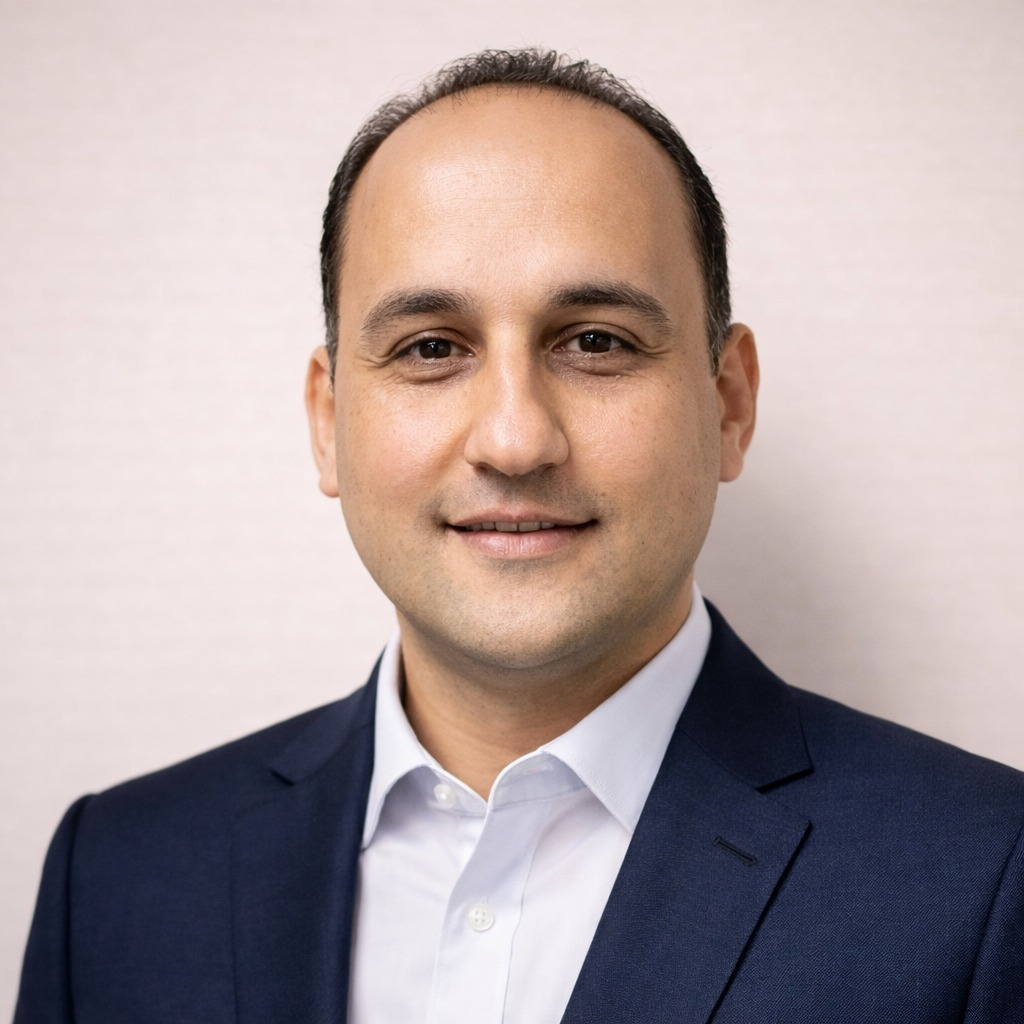
Dr Talip Alkhayer
Political scientist using AI to study political violence and conflict
UK
- Political violence & conflict
- AI & machine learning
- Online discourse analysis
- Conflict early warning
Read biography
Talip Alkhayer is a political scientist working on the use of artificial intelligence in the study of political violence and conflict. His work combines machine learning and large-scale analysis of online discourse with expert interpretation, in order to detect how groups come to be framed as threats before violence against them occurs.
He is the founder and chief executive of BrainBridge Solutions, a London-based company that has pioneered AI-driven conflict early warning and narrative intelligence. BrainBridge applies these methods to open-source data from Syria, the wider Middle East and North Africa, and Europe.
He holds a PhD in Politics from the University of Bath (2023), an M.Litt from the University of St Andrews and an LLB from the University of Damascus. He has published on terrorist rhetoric, violent extremism and computational approaches to political violence, including in Social Sciences and Terrorism and Political Violence.
Founding Researcher
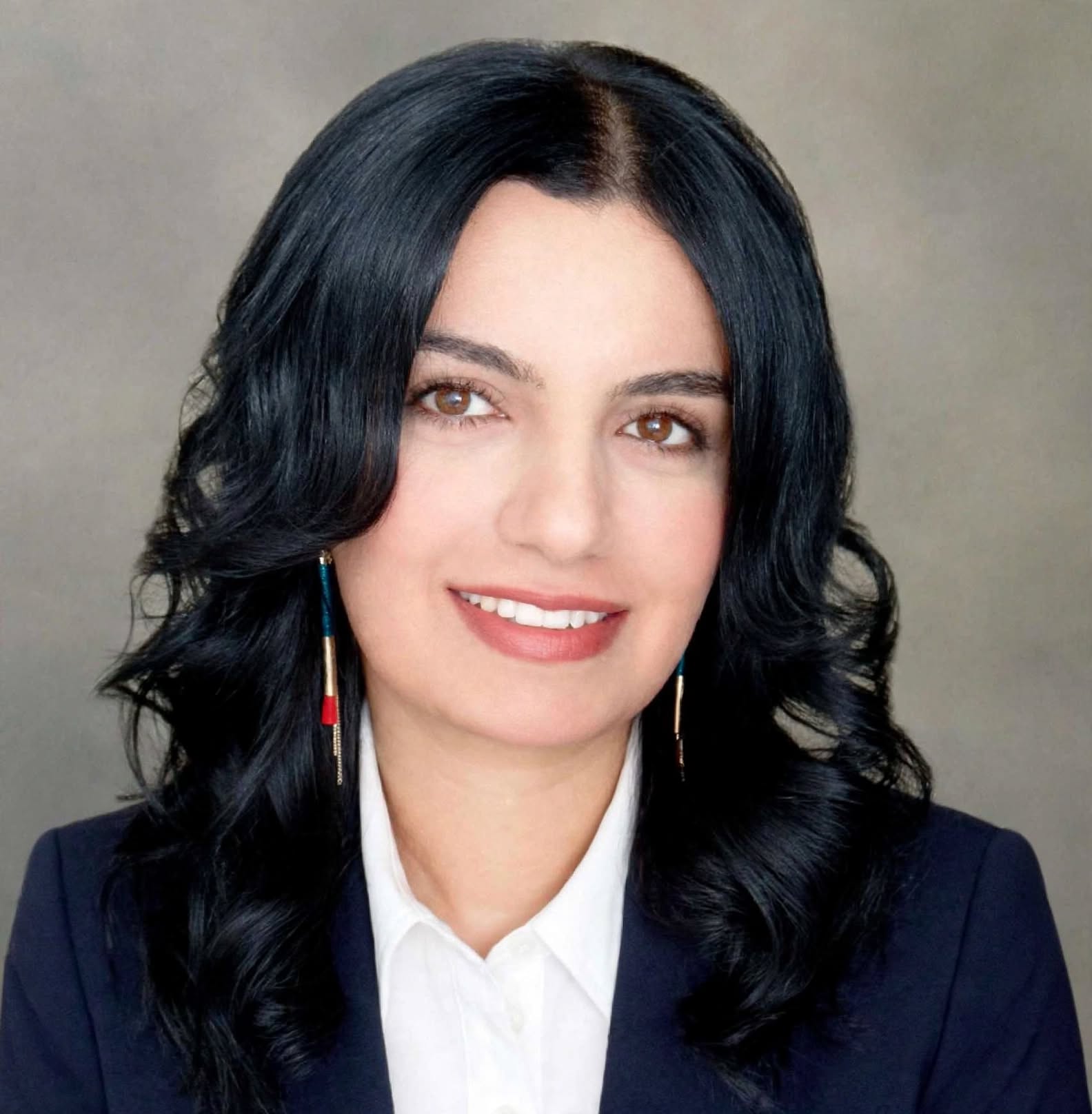
Mekdam Al-Barbour
Doctoral researcher in comparative political economy, specialising in rents, natural resources and political institutions
France
- Comparative political economy
- Political sociology
- Institutions and governance
- Rents and natural resources
- Public finance and taxation
- State capacity
- Democracy and authoritarianism
- Political economy of the Middle East and North Africa
Read biography
He has been a doctoral researcher in comparative political economy and political sociology at Université Grenoble Alpes, France, since 2026. His research interests centre on the relationship between the economy and political institutions, particularly economic rents, public finance, state institutional capacity, and democratic and authoritarian transformations.
He earned a master’s degree in social and political sciences, specialising in political sociology, from the University of Strasbourg – Sciences Po Strasbourg in 2026. He also holds a master’s degree in economic and social administration (AES) from Université de Lorraine and a postgraduate diploma in economic and social planning from Damascus University.
His research at Damascus University examined the relationship between credit policy and economic growth in Syria during 1970–2010, using econometric models and time-series analysis.
At the University of Strasbourg, he completed a master’s dissertation entitled “The Relationship between Political Regimes and Economic Rents: A Comparative Quantitative Analysis”, examining the effects of economic rents on political regimes and the role of institutional quality in explaining this relationship.
His current doctoral project, “From Rents to Political Regimes and Back: Studies in the Political Economy of Natural Resources”, investigates reciprocal relationships between natural resources, institutions and political regimes, focusing on taxation, political accountability and state fiscal capacity.
Founding Researcher
Ishtar Aldali
Sociology and social work specialist with experience in social protection and support for refugees and vulnerable groups
Sweden
- Social work
- Social protection
- Refugees and community development
- Women, youth and persons with disabilities
- Human rights and social sustainability
Read biography
Ishtar Aldali is a sociology and social work specialist with extensive professional experience in Syria and Sweden in social support, team leadership and work with vulnerable groups. Her work spans financial assistance, community development and the development of working methods, with an interest in human rights and social sustainability.
She earned a bachelor’s degree in sociology from Damascus University in 2003 and attended the social work programme at the University of Gothenburg between 2019 and 2020. She has also trained in motivational interviewing.
In Syria, she worked with UNHCR and UNRWA in social assistance and team leadership in the Al-Tanf and Al-Houl refugee camps, followed by community development programmes for women, young people and persons with disabilities. She held a management assignment in the disability programme from 2012 to 2014.
In Sweden, she has worked in social services for the City of Borås since 2017, including financial assistance and support for young people. Since 2024, she has served as a senior social worker and team supervisor in the financial assistance unit, contributing to the development of procedures and working methods.
Founding Researcher
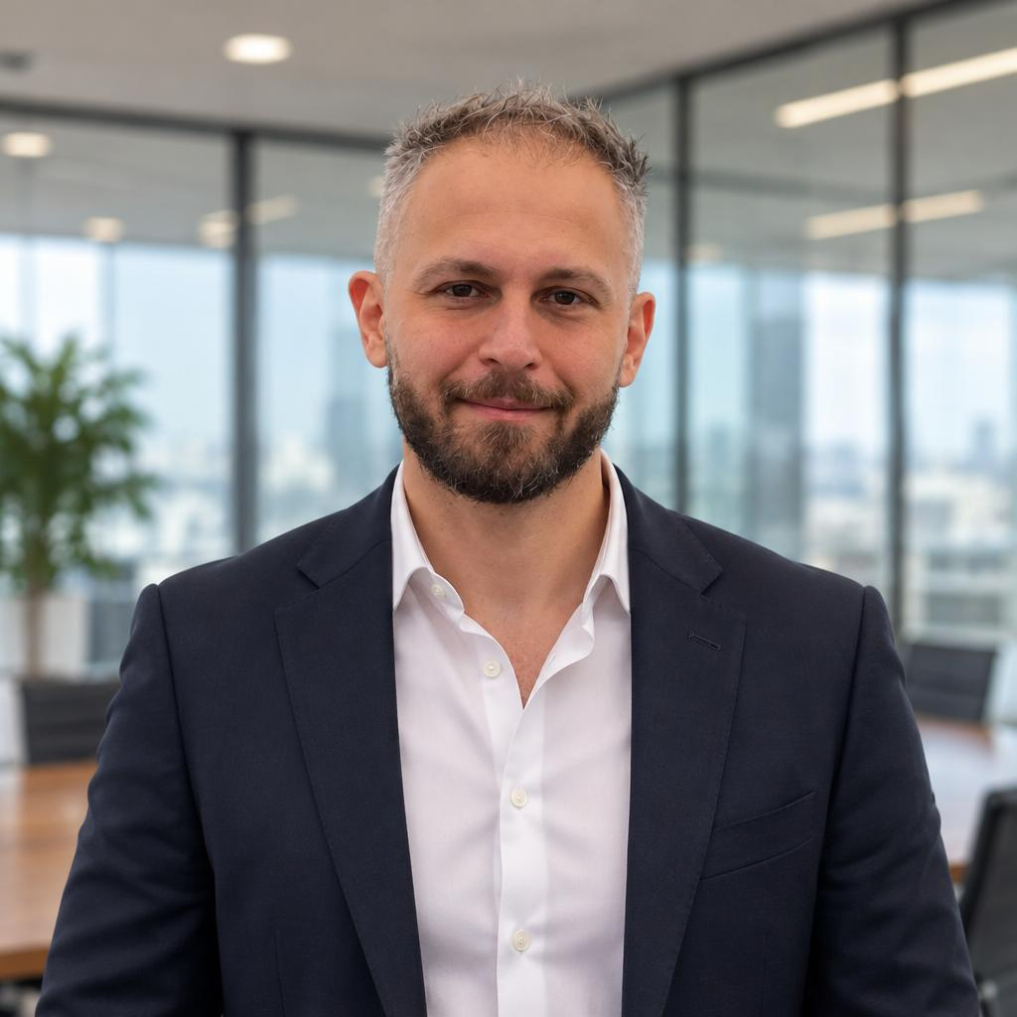
Salah Aldin Falioun
Interdisciplinary researcher in conflict, politics, technology and culture
Italy, Syria
- Political science & governance
- Armed conflicts & peacebuilding
- Misinformation & disinformation
- Identity, literature & migration
- Human–computer interaction
- Decolonisation of technology
- Cultural memory & heritage preservation
- Post-war civil peace & reconciliation
- Transitional justice
- AI ethics & politics
- Cultural inclusivity in digital technologies
Read biography
Salah Aldin Falioun is a researcher and civil society practitioner whose work lies at the intersection of political science, armed conflicts, technology, and cultural identity, with a particular focus on Syria and the wider Middle East and North Africa.
He holds a Master’s degree in Peace and Conflict Studies from Tokyo University of Foreign Studies, a Bachelor’s degree in Software Engineering, and a Diploma in Political Science. His postgraduate research examined military-based power-sharing, ethno-sectarian divisions, and political transitions in Syria, emphasising locally grounded approaches to conflict resolution and challenging conventional Western-centric peacebuilding frameworks.
His academic contributions include publications with Springer and the Association for Computing Machinery (ACM), exploring ethnographic fieldwork, digital trust, privacy, and culturally sensitive human–computer interaction. His research interests extend to misinformation and disinformation, the relationship between identity, literature and migration, and cultural inclusivity in social media and artificial intelligence.
His engagement with displaced communities since 2014 has also informed his interest in cultural memory and heritage preservation, including his contribution as a translator to the award-winning publication Zaatari: Culinary Traditions of the World’s Largest Syrian Refugee Camp.
Drawing on more than a decade of fieldwork, journalism and civil society engagement, his work brings academic inquiry into conversation with grassroots perspectives and policymaking, with particular attention to post-war civil peace, social cohesion, reconciliation and transitional justice.
TIDA Research Network
Advisors
Advisor
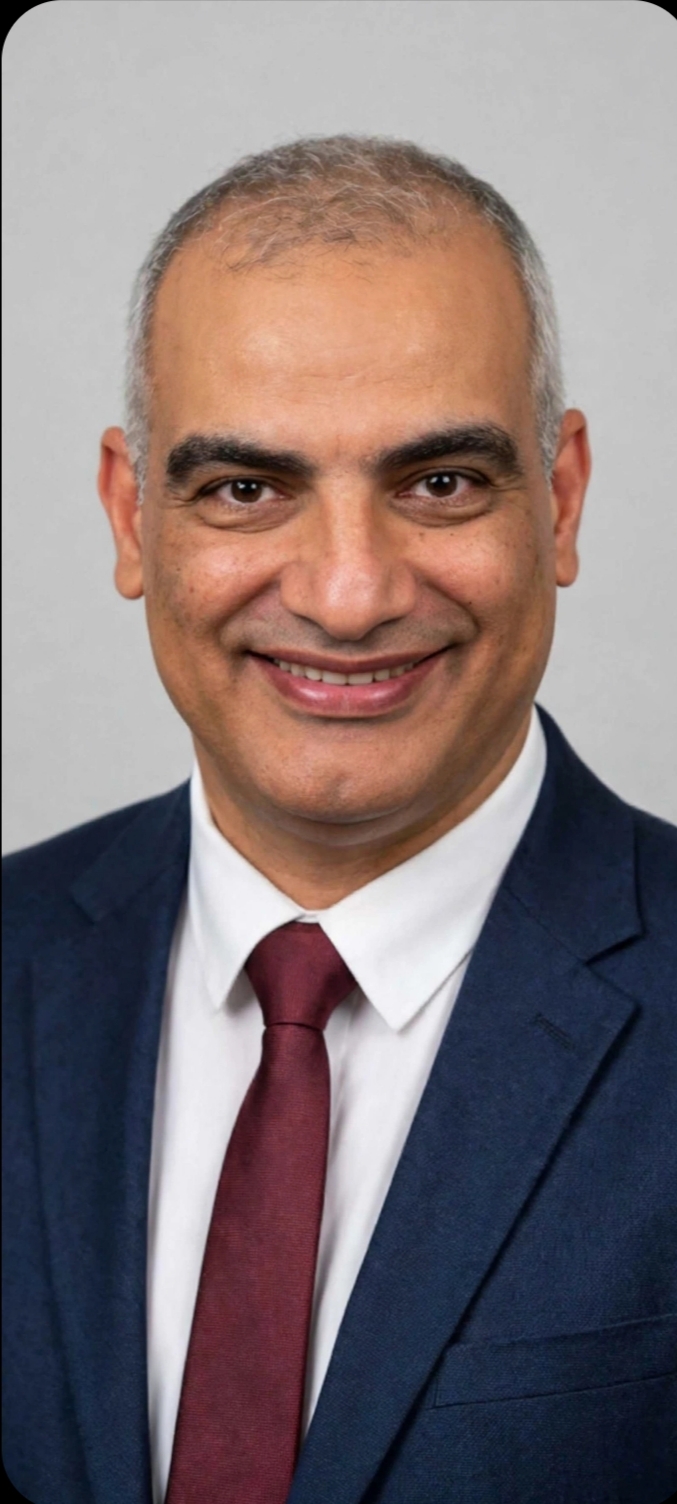
Prof. Moussa Abou Ramadan
Professor of Islamic law and Islamic studies, University of Strasbourg
France
- Islamic law and legal theory
- Law and religion
- Religious minorities
- Family law
Read biography
Profile & roles
Moussa Abou Ramadan is a professor of Islamic law and Islamic studies at the University of Strasbourg, where he has taught since 2012.
Qualifications & academic career
He holds a doctorate in law from Aix-Marseille III University, awarded in 2001 for a dissertation on minorities in Israel and international law. His academic career includes teaching and research appointments in France, Italy, Canada, Israel and the United States. He has extensive experience supervising master’s dissertations and doctoral research, reviewing scholarly publications, and evaluating research projects.
Research interests & contributions
His research examines Islamic legal traditions and their development, the relationship between law and religion, religious minorities, and family law. His publications address questions including legal authority, religious courts, marriage and divorce, and gender in comparative legal contexts.
Advisor
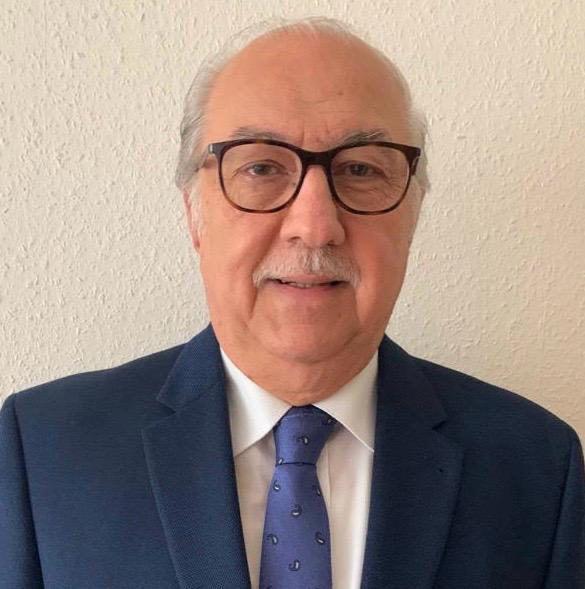
Prof. Mohammed Amin Al-Midani
Academic and researcher in international human rights and humanitarian law
France
- International human rights law
- International humanitarian law
- Regional human rights systems
- Human rights education
Read biography
Profile & roles
Mohammed Amin Hisham Al-Midani is an academic and researcher in international human rights law and international humanitarian law. He chairs the Arab Center for Education in International Humanitarian Law and Human Rights in Strasbourg and is the managing director and editor-in-chief of the Arab Journal of International Humanitarian Law and Human Rights. He previously served on the scientific council of the René Cassin Foundation – International Institute of Human Rights.
Qualifications & academic career
He earned a State doctorate in public law from the University of Strasbourg III in 1987 and attained the rank of professor in human rights in 2016. His teaching and research career spans academic institutions in France, Lebanon and Syria, including the University of Strasbourg and the European Master's Programme in Human Rights and Democratisation.
Research interests & contributions
Through books, studies and translations in Arabic, French and English, he has contributed to scholarship on international and regional mechanisms for the protection of human rights, particularly the European and Arab systems. His work brings together legal research, teaching and the development and dissemination of human rights knowledge.
Researcher principles
Clear contributions.
Rights and trust.
We value accuracy, intellectual independence, confidentiality, and fair recognition of actual contributions. Submitting a profile or work for review does not transfer intellectual property or authorize publication. Roles, publication, translation, reuse, and commissioned work are agreed separately in writing.
Read the researcher principles ↗Why a network
Understanding society
takes many disciplines.
Complex social questions become clearer when disciplines, regional perspectives, professional expertise, and lived experience meet. Each adds depth to the others and strengthens our shared work.
The TIDA network is a working community that brings people together through inquiry, contribution, review, dialogue, mentorship, and collaborative programme development.
Fields of expertise
Different lenses.
Shared public purposes.
The network remains open to interdisciplinary and emerging fields wherever they deepen social understanding.
01Sociology & anthropology
02Political science & governance
03Law, rights & justice
04Peace, conflict & dialogue
05Culture, religion & identity
06Gender, family & generations
07Migration, cities & population
08Economy, development & education
09Environment, climate & society
10Artificial Intelligence & Society
Ways to participate
A network built
through contribution.
We discuss each relationship according to expertise, shared purpose, availability, and clear expectations. An expression of interest does not automatically grant affiliation or create an obligation to produce work.
01Contribute knowledge
Publish an article, study, policy paper, review, or multimedia contribution through TIDA’s editorial process.
02Review & advise
Provide peer review, methodological guidance, contextual insight, or strategic advice for selected work.
03Join public dialogue
Take part in roundtables, podcasts, seminars, public conversations, and cross-regional exchange.
04Co-develop programmes
Design research, dialogue, learning, and public-knowledge initiatives with other members and partners.
Our network
Different roles within the network,
shared public purposes.
These roles describe possible forms of collaboration within TIDA Research Network. Each affiliation is defined individually and confirmed in writing; it is distinct from a paid assignment or an employment relationship.
01Researcher
Research and knowledge contributions connected to TIDA’s questions.
02Senior Researcher
Experienced scientific guidance, review, and research collaboration.
03Policy Fellow
Connecting inquiry with policy, institutions, and public questions.
04Trainer & Facilitator
Learning design, training, and facilitation of dialogue and participatory processes for agreed objectives.
05Advisor
Scientific or professional advice on defined questions, programmes, or projects, with each contribution agreed separately.
What guides participation
Open to plurality.
Serious about standards.
TIDA values academic knowledge, professional expertise, local understanding, and lived experience. We value each contribution for its quality, relevance, and alignment with the network’s purpose.
01Demonstrated knowledge
02Intellectual independence
03Contextual understanding
04Respectful pluralism
05Ethical responsibility
06Public-purpose orientation
Contribute to the research network
Bring your perspective
into the conversation.
We welcome expressions of interest from researchers, practitioners, reviewers, facilitators, and contributors whose work aligns with TIDA’s fields and principles. Send a short introduction, your areas of expertise, and how you would like to contribute.
Join the TIDA Research Network